Valentine Crazy Cat Lady SVG: A Designer's Practical Review
When you open an embroidery design file for the first time, you’re looking beyond the pixels. You’re trying to visualize how it will feel as stitches on fabric, how it will sit on a finished product, and what kind of story it will tell for your customer. That’s exactly where my mind went when I first examined the Valentine Crazy Cat Lady SVG. It’s a design with a very specific, playful personality, and understanding that personality is key to using it successfully in real projects.
The Immediate Mood: Playful, Honest, and Full of Character
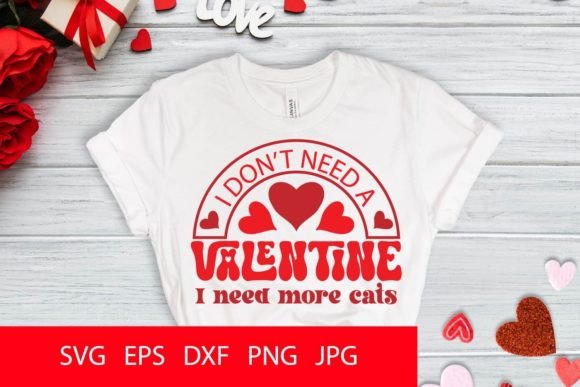
The first impression is one of charming, self-aware humor. This isn't a generic Valentine's heart; it's a statement. The combination of the cat motif with the "Crazy Cat Lady" and Valentine phrasing creates a mood that’s both festive and a little rebellious. It feels perfect for someone who wants to celebrate the holiday, but with their own twist—a love for their feline friends. The layout typically suggests a central graphic with accompanying text, which gives you a clear focal point for embroidery. The detail level is likely balanced: not overly simplistic, but not so intricate that it becomes a stitching challenge on most fabrics. This visual personality immediately tells me it belongs on personalized gifts, casual apparel, and items meant to spark a smile.
Where This Design Thrives in Real Embroidery Projects
Let’s picture a real scenario. I’m preparing a custom embroidered sweatshirt for a client’s boutique. They want unique, conversation-starting items for a Valentine's season pop-up shop. The Valentine Crazy Cat Lady SVG comes to mind. Hooped onto a soft, mid-weight cotton sweatshirt, this design would shine. The theme is instantly recognizable and engaging—it taps into a huge community of cat lovers with a funny, heartfelt message. For a craft business or Etsy seller, it’s a ready-made story for your listing: a gift for the cat mom, the proudly single friend, or the anti-Valentine's crowd.
Beyond sweatshirts and t-shirts, this embroidery file has a natural home on:
- Tote bags and aprons for a quirky, personalized kitchen or market accessory.
- Pillow covers or tea towels as a lasting piece of home decor with a personal touch.
- Baby items like a baby bib or blanket for a mom who is, indeed, a crazy cat lady—adding a layer of sweet, personal narrative.
- Embroidered patches that can be applied to jackets or caps, offering versatility.
- Holiday gifts like a framed, embroidered piece or a customized kitchen towel set.
The design’s appeal boosts the perceived value of a handmade product. It feels current and specific, which builds customer trust and engagement because they see something that speaks directly to them or their gift recipient. For brand consistency, if your small shop specializes in humorous or pet-themed items, this fits perfectly.
Navigating the Practical Embroidery Considerations
While the theme is strong, successful execution depends on thoughtful application. This isn’t just a graphics file; it’s a blueprint for stitches. Here’s where a designer’s practical judgment comes in.
Certain applications require extra care. If you’re considering:
- Very small hoop sizes (for tiny items like baby socks), the text elements need careful scrutiny. Tiny lettering can lose clarity if stitch density is too high.
- Textured or stretchy fabrics like thin jersey or certain fleeces, a robust stabilizer strategy is crucial to maintain the design’s shape, especially any clean lines or hearts.
- Dark fabric backgrounds, you must plan thread color contrast meticulously. A mockup in black and white can help visualize the contrast between light and dark areas.
- Curved surfaces like caps, the layout might need slight adjustment or placement choice to ensure it sits flat and looks intentional, not distorted.
- Products needing frequent washing (like kitchen towels), consider using durable threads and possibly a slightly reduced stitch density for areas that might be stress points.
The stitch clarity is paramount. Before running this on a final product, always test on scrap fabric first. Use the same fabric and stabilizer combination you plan for the final piece. This test will reveal how small details behave, whether satin stitches for text feel clean, and if fill stitches for larger areas look smooth. It’s your insurance policy.
Designer Notes for a Professional Finish
My routine for a design like this involves a few key steps to ensure the finished product looks professional and sells well.
- Evaluate the file for your machine. While it’s provided as an SVG, confirm it converts cleanly to your required embroidery file format without losing detail.
- Check thread color contrast. Pull physical threads against your target fabric. Does “XOXO” or the cat graphic pop, or blend in?
- Review overall stitch density. Visually assess if areas look overly dense, which could make a t-shirt stiff, or too sparse, which might look unfinished.
- Confirm your hoop size. Measure the design’s dimensions and ensure your hoop can accommodate it comfortably for your chosen item.
- Inspect the smallest details. Zoom in. Are there tiny corners or connections that might need a slight adjustment in stitch settings?
- Consider licensing for commercial use. This is critical. Before selling finished items or using it in digital product mockups, verify the license terms of the Valentine Crazy Cat Lady SVG. Ensure your craft business or commercial embroidery project is covered.
Finally, think about the giftability. An item embroidered with this design isn’t just a product; it’s a message. That emotional resonance is what makes it powerful. Stitched cleanly on a high-quality tote bag or a cozy blanket, it becomes a cherished, personalized gift that feels handmade and thoughtful. For an Etsy seller or small shop owner, that’s the magic that turns a digital graphics file into a product that gets great reviews and repeat customers.
The Final Stitch: A Design with Clear Purpose
In the end, the Valentine Crazy Cat Lady SVG is a design asset with a clear purpose and audience. It’s not for every project, but for the projects it fits, it performs wonderfully. Its strength is its specific, playful character, which translates into embroidery that feels engaging and personal. By approaching it with a designer’s practical eye—testing, planning for fabric, respecting licensing, and matching it to the right product—you can turn this digital craft file into a standout finished product that delights your clients and grows your creative business. Just remember: always stitch the test piece first. Your hoop, your fabric, and your thread will tell you the final, most important part of the story.