A Designer’s Review of the “I Love My Mom” Valentine SVG
As an embroidery designer, I see a lot of files promising heartfelt sentiment. But the real test isn’t in the digital preview; it’s in the stitches. When evaluating a design like the “I Love My Mom” Valentine SVG for actual project use, my first question is always: how will this translate from screen to fabric, and will it carry the emotional weight it intends? Let’s walk through that process.
The Immediate Mood: Sweetness With a Vintage Touch
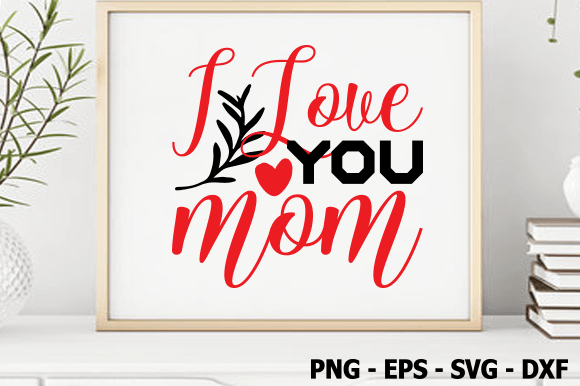
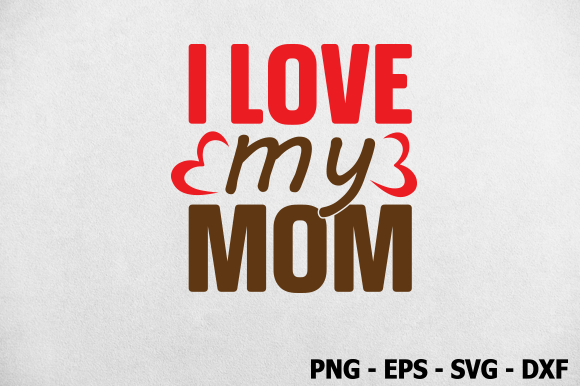
The first impression here is one of classic, tender affection. The layout typically combines script lettering with illustrative elements—perhaps a small heart or floral accent. This isn’t a bold, graphic shout; it’s a gentle, handwritten declaration. The visual personality leans towards timeless rather than trendy, which immediately tells me this embroidery design belongs to projects meant to feel personal and cherished, not disposable.
Imagine pulling this design for a custom embroidered linen pillow cover intended as a Mother’s Day gift. The mood it creates is perfect: soft, sincere, and framed within a domestic, cozy context. For a boutique owner specializing in heartfelt home goods, this is exactly the kind of visual tone that builds brand consistency around warmth and family.
Real-Life Embroidery Performance: Where It Shines and Where to Be Careful
In practical application, this design’s success hinges on understanding its details. I recently considered it for a series of embroidered tea towels for a small shop’s Valentine’s Day collection. The idea was strong—a “love for mom” theme extends beyond February and into everyday appreciation.
Optimal Projects for This Design
This SVG naturally excels on stable, medium-weight fabrics where the lettering can remain crisp. Think:
- Custom Apparel: Embroidered on the chest of a cotton sweatshirt or a linen apron, it feels intentional and decorative.
- Home Decor: Pillow covers, framed hoop art, or blanket corners become instant heirloom-quality pieces.
- Personalized Gifts: A tote bag for a mom, a baby’s keepsake blanket, or a kitchen towel set—products where the message is the primary value.
- Craft Business Items: For Etsy sellers or craft fair vendors, this design can anchor a whole line of “mom-themed” merchandise, from patches to caps.
The relatively simple shapes mean manageable stitch counts, which is a boon for production efficiency if you’re running a small embroidery business.
Scenarios Requiring Extra Attention
Not every project is a natural fit. Here’s where an experienced designer would proceed with caution:
- Small Hoop Sizes: If the design includes tiny script details, shrinking it down for a baby garment cap or a small patch might render the lettering unclear. Always test on scrap first.
- Textured or Stretch Fabrics: On a slub knit or a stretchy tee, fine details can get lost or distorted. A robust stabilizer choice is non-negotiable here.
- Dark Fabric Backgrounds: The sentimental feel often leans towards lighter thread palettes. On a black sweatshirt, you might need to rethink color contrast—a bright white or pastel satin stitch for the lettering could pop beautifully, but it changes the soft mood.
- Products for Frequent Washing: On items like kitchen towels or everyday caps, dense fill stitches in small areas can wear faster. A simpler running stitch outline version might offer more durability.
The key is to remember that the visual appeal of the final product depends entirely on stitching clarity. Muddy lettering on a curved cap surface undermines the design’s entire purpose.
Impact on Product Value and Customer Perception
From a commercial perspective, using this embroidery file wisely directly affects customer trust and engagement. When a buyer sees this design on a handmade product, they’re not just evaluating craftsmanship; they’re connecting with the sentiment. A clean, well-executed embroidery on a tote bag signals care and professionalism, elevating the item from a simple craft to a meaningful gift.
For the digital product seller offering the file itself, its value lies in its versatility. The description notes suitability for cutting machines, hinting at use beyond embroidery. That’s a plus for crafters who might want to create layered appliqué designs or mixed-media projects. However, for us in the embroidery world, the core question is: does the design structure support a clean conversion to satin stitches and fills? Without knowing exact file formats or stitch counts from the provided information, my strong advice is to always run a test stitch to review density and detail integrity before committing to a client project or a production batch.
Practical Notes for the Embroidery Designer
Before your needle hits the fabric, here’s a quick mental checklist:
- Scrap Fabric Test: Always. It reveals thread tension issues and detail clarity.
- Color Contrast Review: Mock up the design in both light and dark backgrounds. Does the chosen thread palette maintain the mood?
- Hoop Size Confirmation: Ensure your planned physical hoop size can accommodate the design at the scale you want without compromising the smallest elements.
- Stabilizer Strategy: Match your stabilizer to the fabric texture and project use—cutaway for durable items, tear-away for delicate decor.
- Licensing Check: The product is categorized under Crafts and Graphics. If you intend to sell the finished embroidered products commercially, confirm the licensing terms. Never assume.
These steps transform a generic machine embroidery design into a reliable design asset for your business.
The Final Verdict: A Design for Intentional Making
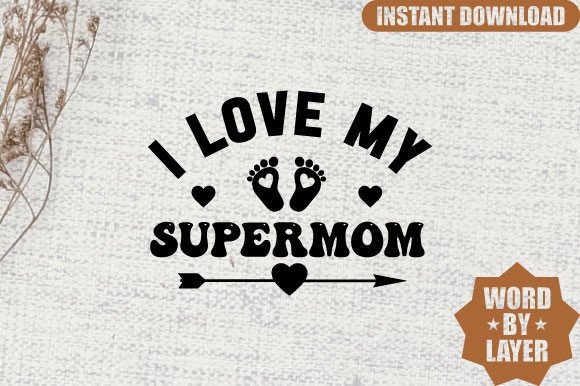
The “I Love My Mom” Valentine SVG isn’t a flashy, all-purpose graphic. It’s a specific, mood-driven design that demands thoughtful application. Its strength is in its emotional resonance, which, when paired with skilled embroidery execution, creates products that feel genuinely giftable and professionally made.
For the hobbyist making a personalized gift, it offers a beautiful shortcut to a heartfelt message. For the apparel decorator or small shop owner, it provides a classic, recognizable theme that can anchor a product line. My recommendation is to embrace its sweetness, but respect its technical needs. Place it on projects where its vintage-touched simplicity can shine, handle the details with care, and you’ll end up with an embroidered finished product that truly says—and stitches—“I Love My Mom.”