My Nickname Is Mom: A Designer's Embroidery Review
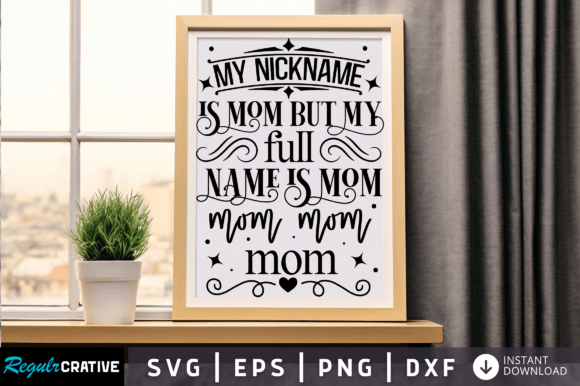
When a new embroidery file lands in my library, I don't just look at the preview. I think about how it will live in the world—stitched onto fabric, worn on a body, displayed in a home, or sold in a shop. "My Nickname is Mom" is one of those designs that immediately sparks a list of real project ideas. It’s not just a graphic; it’s a sentiment waiting to be stitched.
The Warm, Confident First Impression
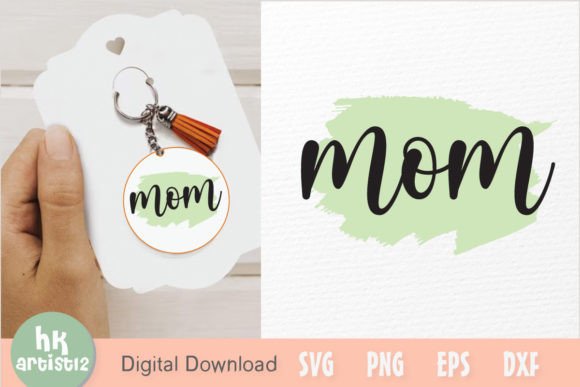
This design has a friendly, declarative personality. The phrase itself is both sweet and a little proud, which creates an instantly warm mood. Visually, the layout suggests a balanced, approachable style that would translate well into stitch. It feels like it belongs on something personal, something meant to be cherished or gifted. As an embroidery designer, my first thought is that this isn't for mass-produced, generic merchandise. It's for those special, personalized products that carry genuine emotion.
Where This Design Thrives in Real Projects
I envision this design performing beautifully on a range of heartfelt items. Imagine a custom embroidered tote bag for a new mom, packed with diapers and books. The statement would be a quiet, daily affirmation for her. On a cozy, high-quality sweatshirt, it becomes a comfortable, personal logo. It’s perfectly suited for baby items—like a delicate blanket corner or a sweet patch on a nursery pillow cover—celebrating that central relationship.
For small business owners and Etsy sellers, this embroidery file is a strong candidate for holiday gifts, particularly around Mother’s Day. Stitched onto a crisp apron, a set of kitchen towels, or a elegant pillow cover, it elevates a simple craft into a meaningful keepsake. The design’s clarity makes it excellent for boutique branding on shop merchandise, like staff aprons or packaging inserts, if the business is family-oriented. In my experience, customers engage deeply with products that speak a simple, true message like this.
A Practical Scenario: The Embroidered Canvas Tote
Let’s walk through a real case. I’m preparing a custom tote for a client’s sister, a first-time mom. I select a natural canvas. The design’s personality suggests a classic, maybe slightly rustic thread palette—a deep navy or a soft burgundy rather than bright neon. Because the wording is the focal point, stitch clarity is paramount. I’d plan for a clean satin stitch for the letters, ensuring the "Mom" stands proud and readable. The result wouldn’t just be a bag; it would be a usable, everyday product with a layer of personal pride woven right into it. That’s where the product value increases.
Caution Areas for Stitching Success
While the design feels adaptable, its success depends on thoughtful execution. On very small hoop sizes, the lettering details could become cramped, losing clarity. I’d be cautious stitching it onto highly textured fabrics, like a thick knit sweater, where small text might get lost in the fabric’s hills and valleys. Thin or stretchy fabrics would require careful stabilizer choice to prevent distortion in the fill stitches.
Dark fabric backgrounds demand a bright, opaque thread choice and possibly a layering technique to ensure the phrase pops and doesn't look ghostly. Applying it to curved surfaces like caps would need a careful digitization check (if not already provided) to see if the design adapts well to the curve without warping the words. The core advice here: always test on scrap fabric first. Match your thread color contrast to your final product background, review the stitch density in your preview, and confirm your chosen hoop size captures all details cleanly.
How It Lifts Your Craft Business & Projects
From a commercial perspective, "My Nickname is Mom" affects more than just aesthetics. For handmade presentation, a cleanly embroidered version of this on a quality product conveys care and professionalism. It builds customer trust because the product feels intentional and well-made. For brand consistency, if your craft business focuses on family, gifts, or personalized apparel, this design aligns perfectly, strengthening your niche.
Its giftability is high. It’s a recognition design—it celebrates a specific role. That emotional connection drives buyer engagement in online listings or at craft fairs. A printable mockup showing this design on a lovely tea towel or baby romper would likely attract more clicks than a generic graphic. It turns a digital embroidery file into a tangible story.
Essential Designer Notes Before You Hoop
Before running this machine embroidery design, my personal checklist would include: testing it in both black and white mockups to see how it reads on light and dark backgrounds, inspecting any small detailing in the letters to ensure my machine can handle it, and absolutely confirming the licensing terms. Can I use it for personal projects? For commercial embroidery projects where I sell the finished tote bags or baby blankets? This is a crucial step for digital product sellers and creative entrepreneurs. The product category is Crafts and the type is Graphics, but the license specifics are the bedrock of professional use.
Use proper stabilizer for your chosen fabric—don’t let a beautiful sentiment get puckered. Consider whether an applique approach could work for certain materials, maybe using a contrasting fabric for the text. And always, always think about the end-user. How will this feel after fifty washes on a sweatshirt? Will the stitches hold their integrity on a frequently used apron? That practical, realistic thinking is what turns a good design into a great finished product.
A Design That Speaks for Itself
"My Nickname is Mom" isn’t a flashy, complex graphic. Its power is in its straightforward message. For embroidery designers, small business owners, and makers, that means our craftsmanship carries the weight. Our choice of thread, fabric, stabilizer, and product form turns the sentiment into a tangible artifact. It naturally fits into the world of personalized gifts and small shop merchandise because it starts with a human truth. When you stitch it, you’re not just decorating a surface; you’re affirming an identity. That’s the kind of embroidery project worth doing well.