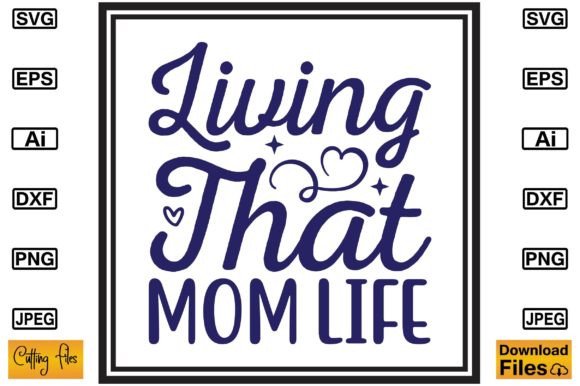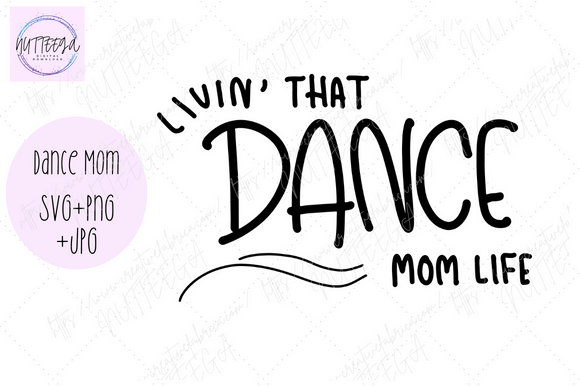
Livin That Baseball Mom Life: A Designer's Embroidery Review
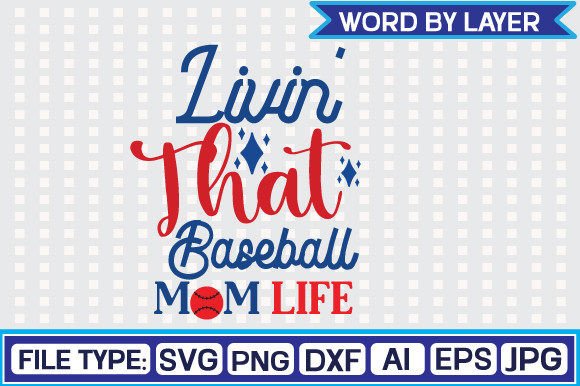
As someone who spends more time with embroidery files than I do with my coffee machine, I look at every new design with a practical eye. It’s not just about whether it’s cute; it’s about how it will perform when the needle hits the fabric. Today, I’m considering the Livin That Baseball Mom Life Svg Design for real project use, imagining it stitched onto a client’s sweatshirt or a custom tote bag for a craft fair.
The Immediate Personality of This Baseball Mom Design
First impressions matter, both for me as the embroiderer and for the eventual customer. This design has a confident, playful mood. The layered text and likely graphic elements—implied by the file description—speak directly to a specific community. It feels less like a generic slogan and more like a badge of honor. For a machine embroidery design, that’s gold. It promises a finished product that resonates emotionally, which is exactly what you want for personalized gifts or small shop merchandise.
The layout suggests it’s built for visual impact. A design like this naturally belongs on items worn or used proudly: the back of a sweatshirt embroidery project, the front of a sturdy tote bag design, or even as a standalone embroidered patch on a backpack. It’s the kind of graphic that turns a simple garment into a statement piece for a boutique.
Where This Design Shines in Real Embroidery Projects
Let’s talk application. I’m picturing a real scenario: a last-minute request for a birthday gift—an embroidered denim jacket for a mom whose life revolves around the ball field. The charm of a theme-specific design like this is its instant recognition. Using it on a jacket, a custom apparel item, or a pillow cover creates a direct connection. It wouldn’t just look nice; it would feel true to the recipient.
For craft business owners, especially Etsy sellers, this is a ready-made asset for a whole product line. Think beyond apparel. It could anchor a series of holiday embroidery gifts for sports parents—think towel sets, baby embroidery on a jersey-themed blanket, or even kitchen towel designs for team snack coordinators. The digital embroidery file provides the core, and your execution adds the value. On a light-colored, mid-weight fabric like cotton twill or a standard sweatshirt material, with proper stabilizer, I anticipate this design would stitch out with clean clarity, making the final product look professional and gift-ready.
Considering the Stitching Details for a Perfect Result
Any experienced embroiderer knows a good file doesn’t guarantee a good stitch-out. Here are my practical notes for using this design successfully. Given the mention of layers in the product description, I’d advise testing the embroidery file on scrap fabric first. This allows you to check stitch density in any potential fill areas and inspect the small details, especially in the lettering. Does the “Baseball Mom” text maintain its integrity at your intended hoop size?
Thread color contrast is crucial. This design likely relies on bold, contrasting colors to pop. On a dark fabric like a black cap, you’d need bright, possibly layered threads to achieve the same visual punch as on a light background. Always compare light and dark fabric backgrounds in your planning. For surfaces like caps with curves, assess the design’s scale; a large, wide layout might need adjustment compared to a flat tote bag.
Where to Exercise a Bit More Caution
While versatile, some applications require careful thought. On very small hoop sizes, intricate elements might become lost or overly dense. Embroidering on textured fabrics or stretchy fabric like certain knits demands extra stabilizer attention to preserve the design’s crispness. If the design has many decorative accents or tight corners, stitching on thin fabric without proper support could lead to puckering.
Another consideration is products destined for frequent washing, like kids’ tees or activewear. A design with very dense satin stitch areas might be less durable over time than one with more open fill. This isn’t a flaw of the file itself, but a reminder to match the design’s characteristics to the product’s lifecycle. For a cherished baby clothes item or a holiday gift meant to last, that’s an important factor.
The Impact on Your Work and Your Customer
When you choose a design with such clear personality, it affects everything downstream. The visual appeal of the stitched piece is high because it’s niche-specific. That boosts product value. A customer seeing this on a handmade product in your Etsy shop or at a craft fair immediately understands its meaning—that builds customer trust and buyer engagement far more than a generic phrase.
For creative entrepreneurs, using such a design consistently across a product line—say, on tote bags, aprons, and tea towels—can enhance brand consistency for a sports-themed boutique. The professionalism comes from your execution, but the design provides a solid, relatable foundation. It’s inherently giftable, which is a huge advantage when creating small business merchandise.
A Final, Essential Step for Commercial Use
My most critical note for fellow makers: the product description lists the included files but does not specify license terms. Before selling any finished product or using this digital embroidery file in commercial embroidery projects, you must confirm licensing. It is your responsibility to check whether the design is cleared for commercial use, for selling physical items, or for creating digital product previews. This step is non-negotiable for protecting your business and respecting the designer’s rights.
In summary, the Livin That Baseball Mom Life Svg Design presents a strong, themed graphic with significant potential for real-world embroidery. Its success hinges on your thoughtful application—choosing the right fabric, hoop size, and product type—and on verifying its license for your intended use. With that diligence, it can become a standout element in your portfolio of embroidery projects, delighting clients and adding a personal touch to your craft business offerings.