But Did You Die Mom Life – A Retro Mom Embroidery Review
First Impressions: A Perfectly Balanced Mom Humor Design
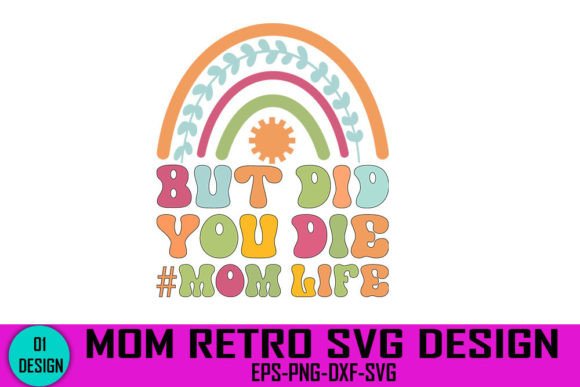
When you open the But Did You Die Mom Life design file, its personality hits you immediately. It’s not just a text-based graphic; it’s a mood. The retro vibe, with its clean layout and playful sentiment, instantly feels like it belongs on something cozy and cherished. The balance here is key. It’s bold enough to be readable from a distance, but the styling is soft and approachable—not aggressive. For an embroidery designer, this means the design translates visual attitude into stitchable form without being overly complex. It feels destined for a project meant to be worn, used, or gifted with a knowing smile.
The Natural Project Fit: Where This Design Lives Best
In my hands, thinking about real projects, this design naturally gravitates toward personalized gifts and small shop merchandise. Picture it stitched onto a heavyweight cotton tote bag for a mom friend. The retro aesthetic pairs beautifully with natural fabrics. A custom sweatshirt, perhaps in a soft heather gray, becomes a statement piece of relatable mom life humor. It would shine on a tea towel in a kitchen, or as a central motif on a pillow cover in a cozy living space. The theme is universal enough for holiday gifts—Mother’s Day, obviously, but also as a fun, supportive gift for any mom friend year-round. For baby items, like a blanket or a bib, it adds a layer of parental personality that’s both cute and resilient.
Performance in Real Embroidery: Where It Thrives and Where to Be Careful
Embroidering the But Did You Die Mom Life design onto actual products reveals its strengths. On stable fabrics like canvas totes, denim jackets, or quilted cotton, the clean lines will stitch out with excellent clarity. The design’s layout suggests good stitch density management—areas shouldn’t be so dense that they pucker on thinner materials. However, this is where practical judgment comes in.
On stretchy fabrics like standard t-shirt knits, you’ll need a robust stabilizer strategy to prevent distortion, especially if the design is sized large. The lettering, while clear, may have some finer details in the retro styling; on very small hoop sizes (under 4x4 inches), those tiny corners might require a sharp needle and thinner thread to maintain definition. Dark fabric backgrounds are a fantastic choice for this design, as the retro feel often pops with lighter thread colors, but always test your thread contrast on a scrap first. A crisp white or a pastel yellow could look stunning on a black sweatshirt.
A Note on Texture and Wear
For items that need frequent washing—like kitchen towels, baby clothes, or everyday caps—the design’s appeal holds up if stitched well. Using quality thread and ensuring secure stitch paths will make the finished product durable. Avoid placing it on areas of high friction, like the cuffs of sleeves, to maintain its visual appeal over time.
Visual Appeal and Commercial Value: Beyond the Stitches
From a business perspective, whether you’re an Etsy seller or a boutique owner, this design adds value. Its humor is current and connective, which engages buyers looking for something with personality. As a finished embroidered product, it feels handmade yet professional because the design itself is clean and well-composed. It boosts giftability immensely—people buy gifts that make the recipient laugh and feel seen. For brand consistency, if your shop specializes in relatable, humorous, or retro-themed items, this design fits seamlessly into that collection.
For commercial embroidery projects, like a series of promotional patches or branded apparel for a small business focused on parenting communities, it acts as a strong, recognizable graphic asset. Its versatility across products—from a patch on a backpack to a large centerpiece on an apron—means one design can serve multiple product lines.
Where It Might Require Extra Attention
Be mindful on highly textured fabrics like thick wool or looped towels, as the stitch definition can get lost. Also, on curved surfaces like caps, the design’s horizontal layout might need slight repositioning to follow the curve gracefully. Always run a test on the actual garment type.
Practical Designer Notes Before You Hoop Up
Before committing this design to a client project or your best-selling tote, do your due diligence. Test stitch it on a scrap of your target fabric. This reveals everything: how the satin stitch or fill stitch areas behave, whether any small lettering details become unclear, and if your chosen hoop size works. Check the provided files—you have SVG, EPS, and DXF—to ensure compatibility with your machine or software. Create black and white mockups to see how it reads without color, and compare it on both light and dark background visuals.
Crucially, confirm the licensing terms for this graphics product. Understand whether your use for finished handmade products or commercial embroidery projects is covered. Only proceed with selling physical items or digital product previews if the license permits. This protects your business and customer trust.
Finally, view this But Did You Die Mom Life design as a tool. Its retro charm is the raw material. Your skill in choosing the right fabric, thread, stabilizer, and product application transforms it into a finished piece that feels authentic, durable, and genuinely delightful. It’s a design that, when stitched with care, turns a simple phrase into a wearable, shareable piece of connection—which is, after all, what great embroidery is about.