A Designer’s Review of the “First Christmas as a Mom” SVG
First Glance: Sentimental Charm for the Holidays
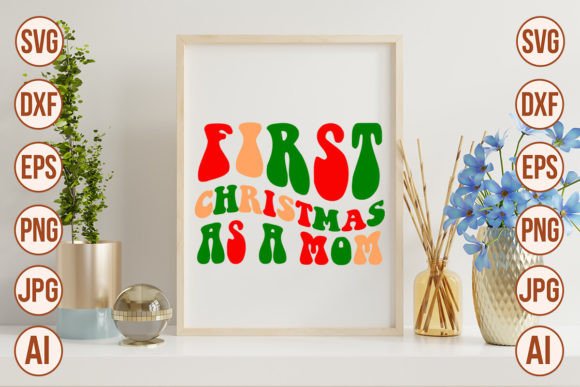
Opening the “First Christmas as a Mom” design file, my immediate impression is one of warm, nostalgic charm. The design’s theme is, of course, deeply personal—it speaks directly to a specific, emotional moment. The retro styling suggests a gentle, almost vintage feel, which I think softens the sentimentality and makes it feel timeless rather than trendy. This isn’t a loud, flashy holiday graphic; it’s a quiet, heartfelt declaration. Visually, the layout likely centers on the phrase itself, with decorative elements supporting it. For an embroidery project, this translates to a design that prioritizes clear, readable text with accents that can be rendered beautifully with satin stitch or a clean fill stitch.
Where This Design Lives Best: Real Project Scenarios
Let’s walk through a real-life scenario. I’m preparing a custom, personalized gift for a client—a new mother who wants something special for her first holiday season. My instinct is to use this on a cozy, high-quality sweatshirt or a soft baby blanket. The mood it creates is perfect for wearable comfort and intimate nursery decor. I’d also consider it for a premium tote bag, something she can use daily, or perhaps a decorative pillow cover for her living space. The design’s personality leans toward handmade product categories that feel like keepsakes: holiday gifts, boutique merchandise, or Etsy listings that highlight personalization.
Beyond gifts, this has clear potential as a small shop product. For a creative entrepreneur focusing on motherhood or holiday themes, this embroidery file could anchor a line of caps, aprons, or kitchen towels for the season. It’s the kind of design that, when stitched well, increases product value through its emotional resonance. A customer isn’t just buying a sweatshirt; they’re buying a memory encapsulated in thread.
Stitching It Into Reality: Performance and Practicality
In practical embroidery situations, the success of this design hinges on its detail level. The provided SVG and EPS files indicate it’s a layered, vector format, which is excellent for scaling. For machine embroidery, this means I can adjust the size confidently without losing clarity. However, the retro style might involve some decorative script or finer details. On a dense fabric like a sweatshirt or tote, with proper stabilizer, those details should stitch out cleanly. On thinner fabrics, like a tea towel or certain baby clothes, I’d be more cautious—very small elements or intricate corners might need simplification or a different stitch type to prevent puckering.
Navigating Potential Pitfalls
There are areas where this design demands careful handling. If the lettering is particularly delicate or there are dense decorative accents, a small hoop size might not be suitable. I’d avoid using it on highly textured or stretchy fabrics without extensive testing, as the stitch clarity could suffer. Dark fabric backgrounds require thoughtful thread color contrast—a classic white or cream satin stitch for the main text could look stunning, but you must ensure the fill stitches are dense enough to pop against the dark base.
For curved surfaces like caps or hats, the layout needs to be evaluated. A wide, horizontal design might not fit the contour well. And for any product meant for frequent washing—baby items, kitchen linens—the stitch density and stability are paramount. A robust fill stitch and secure backing will ensure the embroidered patch or direct embroidery lasts.
The Impact on Your Work and Your Customer
From a professional standpoint, using a design like this affects several layers of your craft. First, stitching clarity is everything. If the embroidery file translates to clean, crisp stitches, the visual appeal is immediate. It looks professional, which builds customer trust and enhances the handmade presentation. It feels like a premium product, not a hobby experiment. That professionalism translates directly to brand consistency for a small business owner.
Secondly, the “giftability” factor is high. This design is inherently personal. An embroidered tote bag or pillow with this phrase isn’t just another holiday item; it’s a targeted, emotional gift. That drives buyer engagement—people looking for “first Christmas” gifts will recognize its relevance instantly. For an Etsy seller or craft fair vendor, it’s a product that tells its own story in the listing photo.
A Designer’s Notes for Your Project
Before you commit this design to a final project, here are my practical steps. Always, always test it on scrap fabric first. Use the same material and stabilizer you plan for the final product. This reveals any issues with stitch density or small details pulling. Check your thread color choices against both light and dark backgrounds; create simple black and white mockups to see how the layout reads at a glance.
Confirm your hoop size can accommodate the design at your chosen scale, ensuring no important elements are cramped. Since the product description notes SVG and EPS files, remember these are digital embroidery file starting points—you’ll need to process them through your embroidery software. Crucially, the description states “DIGITAL DOWNLOAD ONLY” and mentions a single zip file. It does not specify licensing terms for commercial use. Therefore, you must verify the license before selling any finished items or commercial embroidery projects derived from this file. This is a fundamental step for any craft business using digital design assets.
Finally, think about the product context. A “First Christmas as a Mom” retro design stitched onto a beautifully made, neutral-colored sweatshirt feels timeless. On a bright, festive apron, it feels fun and celebratory. Match the design’s mood to your product’s base. This attention to context turns a good embroidery project into a great finished product that resonates deeply, just as the moment it celebrates does.