Bonus Mom Claus: A Designer’s Review for Real Embroidery Projects
The First Glance: Warm, Modern, and Cleverly Inclusive
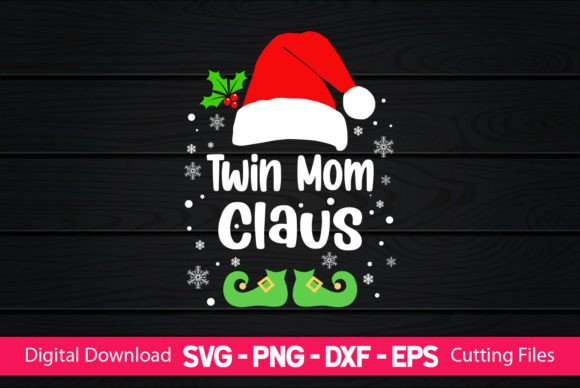
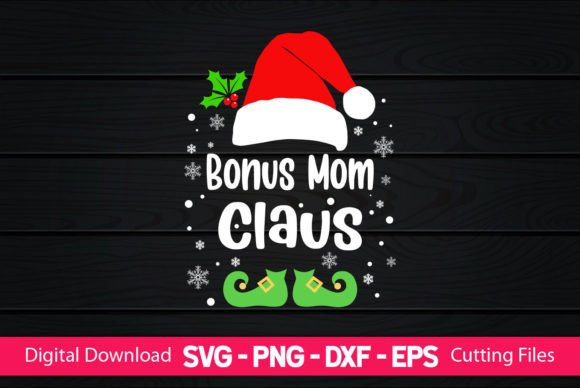
Opening the Bonus Mom Claus file, my first impression is immediate warmth paired with a modern twist. The design cleverly blends a classic holiday iconography with a contemporary, inclusive sentiment. The layout feels balanced, with a clear focal point that would translate well into a stitched form. The personality here is friendly and celebratory, not overly traditional. This isn't just another Santa; it's a design that tells a specific, heartfelt story, which is exactly what makes a digital graphic valuable for personalized gifts and small shop products. The detail level looks manageable—not overly dense, which is a good sign for a clean embroidery outcome without excessive stitch buildup.
Where This Design Thrives in Real-World Stitching
Imagine you're preparing a custom embroidered sweatshirt for a client who wants a unique holiday gift for a stepmom. Bonus Mom Claus feels like a perfect fit. The theme is directly meaningful, and the design's scale would center beautifully on a sweatshirt pocket or across the back. I can envision it equally well on a cozy tote bag for a craft fair, a crisp apron for a boutique kitchen product, or a delicate pillow cover for nursery decor. The inclusive message elevates it from a simple holiday motif to a conversation-starting piece, increasing its value as a handmade product.
For apparel decorators and Etsy sellers, this design offers versatility. It would work beautifully for:
- Holiday-themed baby clothes or blankets, adding a sentimental touch.
- A detailed patch, which could then be applied to caps or bags.
- Kitchen towels or tea towels as a festive, personalized home item.
- Pillow covers for holiday living room merchandise.
- Even as a focal point in a wedding gift for a December wedding.
The visual appeal here hinges on its specificity. In a market saturated with generic snowflakes and reindeer, Bonus Mom Claus stands out. That recognition directly boosts customer engagement and can enhance brand consistency for a shop that focuses on modern, family-oriented designs.
The Practical Considerations: Where to Use Caution
While the design appears well-structured, any embroidery file requires careful application on certain substrates. The potential for small lettering or intricate details—common in themed graphics—means you need to be mindful.
I would be cautious attempting this design on very small hoop sizes. Fine details might lose clarity if scaled down too aggressively. Similarly, textured fabrics like heavy sweaters or very thin, stretchy fabrics could distort the clean lines, requiring excellent stabilizer choice and hooping technique.
Dark fabric backgrounds are always a consideration. You'll need to check thread color contrast thoroughly. A white or light-colored satin stitch for the main elements would pop, but planning your color palette is a must. For curved surfaces like caps, the design's layout should be tested in a mockup to ensure it fits the curved area without awkward stretching of elements.
If there are dense stitch areas, they could affect the drape of lightweight garments like t-shirts or lead to stiffness on a product like a tea towel that needs frequent washing. Always test the design on scrap fabric first, using the same material and stabilizer as your final project.
A Real Scenario: From Digital File to Embroidered Tote
Let's walk through a real case. You have an order for an embroidered tote bag as a holiday gift from a child to their bonus mom. You've exported the machine embroidery file from the provided digital assets. After checking your hoop size and stabilizer, you stitch a sample. The key observation here is how the sentiment reads after stitching. Is "Bonus Mom Claus" legible and warm? Does the overall image feel cohesive when rendered in thread, not just as a digital graphic? This step is crucial for customer trust and the final product's giftability. A well-executed stitch turns a digital file into a tangible, cherished item.
How This Design Impacts Your Craft Business
For creative entrepreneurs and digital product sellers, offering finished products with this design can attract a niche audience. It speaks directly to a modern family dynamic, making it highly relevant. When used in printable mockups for your online listings, it shows potential buyers a clear, professional application. The design's inherent story adds value, allowing you to price a finished embroidered item not just on labor, but on emotional resonance.
From a professional embroidery standpoint, a design like this, with a clear and positive theme, reduces client explanation time. They understand it immediately. That efficiency is valuable for small business owners. However, always confirm licensing before selling finished items or incorporating the design into commercial embroidery projects. The product description mentions it's a digital file for cutting machines, so its use for derived embroidered products should be verified.
Essential Designer Notes Before You Stitch
Before loading this design onto your machine, make these practical checks:
- Run a test on your intended fabric type, even a small corner, to review stitch density and detail integrity.
- Inspect small details in the stitched sample—are corners clean, are lines continuous?
- Test the design in both black and white digital mockups to visualize it on light and dark backgrounds.
- Plan your thread colors carefully. Consider using a slightly lighter shade on dark fabrics for better visibility.
- Ensure your hoop size accommodates the full design without needing excessive scaling.
- Ask yourself: does this embroidery file work for my intended project scale—personal gift or commercial batch?
These steps separate a hobbyist experiment from a professional finished product.
The Final Verdict: A Design with Heart and Utility
Bonus Mom Claus is more than a holiday graphic; it's a design with a built-in emotional hook that translates well into the tactile world of embroidery. Its utility spans from heartfelt personal gifts to thoughtful small business merchandise. For embroidery designers and makers, it offers a project that feels both technically manageable and commercially interesting. The key, as always, is in the practical preparation—testing, planning, and understanding how the digital asset becomes physical thread on fabric. When done with care, this design can produce an embroidered item that looks professional, tells a clear story, and holds real value for the recipient. That’s the mark of a worthwhile embroidery project.