Blacksmith Mom Definition Design: A Designer's Hands-On Review
Let's talk about this Blacksmith Mom Definition design, not just as a graphic on a screen, but as a potential embroidery project. I'm looking at it from the perspective of someone who needs to stitch it out, put it on a real product, and either give it as a heartfelt gift or sell it as a quality handmade item. The first impression? It’s bold, it’s thematic, and it carries a distinct personality. There's a strength and a warmth baked into the concept itself, which is a fantastic starting point for any custom piece.
The Immediate Mood and Project Fit
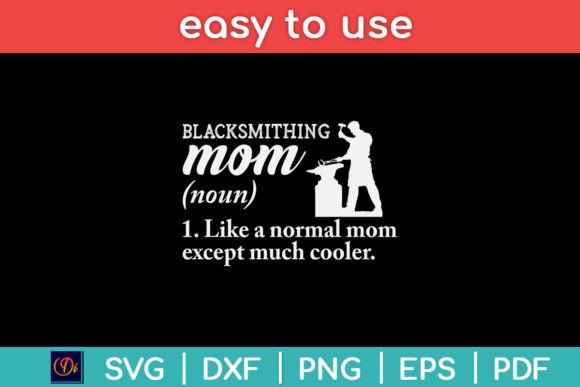
This isn't a generic, floral "mom" design. The blacksmith theme immediately sets a tone of resilience, craftsmanship, and foundational love. It speaks to a specific kind of appreciation. Visually, the layout promises a clear central focus—likely the definition text—supported by illustrative elements that reinforce the theme. For embroidery, this means we’re working with a design that has both textual and potential decorative components. It naturally belongs to projects where you want the message to be unmistakable and the aesthetic to be deliberate.
In my mind, I’m already picturing it on a sturdy, well-made canvas tote bag for a crafty mom, or as a standout feature on the back of a heavyweight sweatshirt. It feels right for an apron in a workshop-style kitchen, or as a framed hoop art piece for a nursery or home office that celebrates a maker-mom. The personality is strong enough that it wouldn’t work on every product, but where it fits, it will resonate deeply.
Performance Across Real Embroidery Applications
When considering actual stitch-out, I think through my typical project roster. For custom apparel like t-shirts and sweatshirts, the design’s clarity will be key. If the lettering is well-structured, satin stitches for the definition text could look superb, offering that clean, glossy finish that elevates a basic garment. On a tote bag, using a combination of fill stitches for larger elements and running stitches for finer details could create beautiful texture and durability.
As a small business owner creating merchandise or an Etsy seller preparing for a craft fair, this design could be a winner for a niche audience. Embroidered patches with this theme would have immediate appeal. Applied to pillow covers or tea towels, it becomes a statement home decor item. For personalized gifts—think a holiday gift for a mother who is the family’s anchor, or a wedding gift for a crafty new bride—an embroidered piece with this design carries meaning and a handmade touch that surpasses a generic store-bought item.
It’s also worth considering digital product sellers and creative entrepreneurs. This graphic, as an embroidery file asset, can be used to create realistic printable mockups for your shop listings, helping customers visualize the finished product on a cap, baby bib, or apron before they buy. That builds customer trust and engagement significantly.
Where to Exercise Caution and Planning
Every design has its sweet spot and its challenges. For this Blacksmith Mom Definition, I’d be cautious on a few fronts. If the design contains very small lettering or intricate decorative corners, stitching it on a small hoop size might compromise clarity. Tiny details can get lost or become overly dense.
Textured fabrics like certain knit sweaters or stretchy fabrics for caps require careful stabilizer choice to prevent distortion. On dark fabric backgrounds, thread color contrast is paramount—you might need to opt for brighter or metallics to make the definition pop. For products destined for frequent washing, like kitchen towels or baby clothes, ensuring the stitch density isn’t too high in areas prone to snagging is a practical step. And on curved surfaces like caps, the overall layout must be tested to ensure it sits flat and reads well from all angles.
These aren’t drawbacks; they’re just the realistic considerations of translating a digital graphic into a physical, stitched masterpiece.
The Impact on Value, Presentation, and Business
From a professional standpoint, a well-executed embroidery of this design enhances product value. It turns a simple sweatshirt into a personalized, thematic garment. It boosts the handmade presentation, showing attention to detail and concept alignment. For a craft business, using such a distinct design can aid brand consistency if you cater to a clientele that appreciates strong, meaningful themes.
Its giftability is high because it’s personal and unique. The recognition factor—"blacksmith mom"—is clear and memorable. For commercial embroidery projects, like producing a batch of tote bags for a boutique, it offers a professional, cohesive look that stands out from mass-produced graphics. It engages buyers who are looking for something beyond a cute slogan; they’re looking for a statement.
Practical Notes from the Embroidery Hoop
Before you commit this design to a client’s item or your best-selling product, do the legwork. Always test the embroidery file on scrap fabric first. Use the same fabric and stabilizer you plan for the final project. This reveals how the stitch density behaves, whether small details are clear, and if any thread colors need adjusting for optimal contrast.
Review it in both black and white mockups, or stitch a sample on light and dark backgrounds, to truly understand its versatility. Confirm your hoop size can accommodate the design without forcing you to shrink it into a muddy mess. And this is crucial: before selling any finished items or using the design in commercial embroidery, confirm the licensing terms provided with the file. Understanding whether it’s cleared for personal use, commercial use, or both protects your business and respects the designer.
A design like the Blacksmith Mom Definition isn’t just a graphic; it’s a potential centerpiece for a meaningful project. Its success hinges on your practical approach to the embroidery process—matching it to the right product, preparing your machine and materials thoughtfully, and understanding how its stitched form will connect with the person who finally holds it. That’s where the real craft happens.