A Review of the Mothers Day 16oz Can Glass Embroidery Design
When a new embroidery design lands in my library, my first thought isn't about the file specs. It's about the story it tells and the project it wants to become. Opening the Mothers Day 16oz, Mom Day Can Glass file, I immediately pictured a gift—something heartfelt, tangible, and made by hand. This isn't just another generic holiday graphic; it feels like a dedicated tribute, a design meant for creating keepsakes.
The Warm, Casual Personality of This Mom Day Design
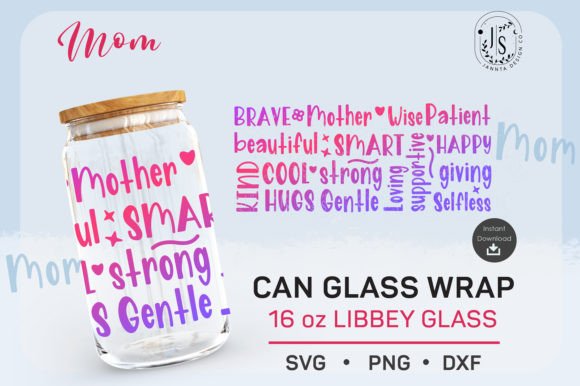
The design carries a warm, casual, and celebratory mood. The central motif—the stylized 16oz can or glass—isn't overly ornate. It’s friendly and approachable. The layout, with its seamless wrap concept, suggests it’s built for a curved or cylindrical surface in the original graphic intent, but that translates wonderfully to flat embroidery as a cohesive, balanced focal point. The lettering around it feels personal, like a label you’d create just for your own mom. This visual personality means it won't feel stiff or corporate on a handmade product. It belongs on items meant for connection and comfort.
Where This Design Finds Its Perfect Embroidery Home
I'm thinking through my current project queue. A custom order for a Mother’s Day gift basket from a local boutique comes to mind. They want embroidered kitchen towels and a matching apron. This Mom Day Can Glass design is a front-runner. It’s thematic without being cliché. On a crisp cotton tea towel, the design would stitch out as a charming, functional decoration. On the pocket of an apron, it becomes a sweet, personalized accent. It also speaks directly to other high-value handmade products: a tote bag for a mom’s library trips, a cozy sweatshirt for weekend mornings, or a decorative pillow cover for her reading nook. For a baby item, like a burp cloth or a bib with “Grandma” added, it could be wonderfully nostalgic.
For small business owners and Etsy sellers, this design offers clear commercial appeal. It’s instantly recognizable for the holiday, which aids in buyer engagement. Stitched onto a simple canvas tote or a high-quality cotton cap, it elevates the product from a generic gift to a thoughtful, crafted one. That handmade presentation builds customer trust. The design’s clarity and friendly theme support brand consistency for shops focusing on family, home, or giftable crafts.
Practical Considerations for Real-Life Stitching
Now, let’s move from the idea to the hoop. How does this design perform in real embroidery situations? The seamless nature suggests a continuous design without awkward breaks, which is excellent for projects like a full-wrap patch or a centered motif. However, the detail level requires some practical forethought.
I would be cautious with very small hoop sizes. Any intricate details within the glass illustration or the smaller decorative elements could lose clarity if scaled down too aggressively. This design deserves a medium to large hoop to let its personality shine. Similarly, on textured fabrics like some towel weaves or on stretchy fabrics for apparel, careful stabilizer choice is non-negotiable. You need a solid foundation to maintain the integrity of those satin stitch borders or any potential fill stitch areas.
Dark fabric backgrounds are a fascinating test. A design like this, which likely has a light, open feel, would need excellent thread color contrast planning. I’d immediately test it on a scrap of dark denim or black cotton to see how the elements pop. Would switching to bright, creamy whites or pastels make it more legible and warm? Absolutely. This is where your skill as an embroidery designer adds the real value.
Where to Exercise Extra Care
A few specific applications need a designer’s eye. First, curved surfaces like caps. The design’s origin as a wrap might make it adaptable, but you must check the digitization for distortion when curved. Second, products needing frequent washing, like kitchen linens or baby items. Dense stitch areas could become abrasive or wear points. Review the stitch density in your software—if it’s very high, consider a lighter version for durability. Finally, the tiny lettering. “Mom,” “Mama,” and similar phrases are emotionally potent, but they must stitch cleanly. Inspect these small details in your preview; a skipped stitch in a tiny letter can ruin the readability.
How This Embroidery File Affects Your Project's Value
Using a well-conceived design like the Mothers Day 16oz Can Glass directly impacts your finished product's perceived value. For a creative entrepreneur, it’s not just about stitching a graphic; it’s about delivering an emotion. A client receiving an embroidered pillow with this design sees a custom piece, not a stock image. That boosts giftability and recognition. For commercial embroidery projects, such as a batch of gifts for a corporate client’s employees, it feels professional yet personal.
It also affects your workflow efficiency. A clean, well-digitized file—which this appears to be from its seamless description—means less time troubleshooting thread breaks or misaligned elements, and more time producing. That reliability is a silent asset for craft businesses and apparel decorators.
Essential Designer Notes Before You Hoop It
Before you run this machine embroidery design for a real client project or list it on your Etsy shop as a finished product, do your due diligence. This is my standard checklist for any new design, and it applies perfectly here:
- Test the embroidery file on scrap fabric first. Use the same material you intend for the final product.
- Check thread color contrast against your fabric background. Run both light and dark mockups, even simple black and white sketches, to judge layout clarity.
- Review stitch density in your software viewer. Is it appropriate for your fabric type?
- Confirm the physical hoop size needed for your desired final output size.
- Inspect small details, especially text, at your planned scale.
- Use the proper stabilizer for your fabric—don't guess.
- Critically, check the licensing terms provided with the digital embroidery file. Confirm whether it’s cleared for personal use, commercial use, or both, before selling any finished items or using it in your small shop merchandise.
- Consider how it will look in a printable mockup for your digital product listings if you're a seller of design assets.
The product category is Crafts and the type is Graphics, which reminds us this is a creative starting point. Its true worth is determined by how we, as makers, apply it.
Final Impression: A Design for Making Meaningful Gifts
Ultimately, the Mothers Day 16oz, Mom Day Can Glass design strikes me as a reliable, emotive tool for the maker’s toolkit. It doesn’t try to do everything; it has a clear, sweet purpose. It’s for creating those personalized gifts that feel specific and loved. Whether you’re embroidering a holiday gift for your own mama, producing a line of Mother’s Day merchandise for your boutique, or adding a heartfelt option to your craft fair products, this design provides a strong, thematic foundation. Your skill in choosing the right fabric, thread, and application will transform this digital asset into a keepsake. That’s the real project use we’re all aiming for—where a good design meets great execution to create something truly special.