A Retro Design Review for Embroidered Projects
The Warm, Immediate Appeal of 'Home is Where Mom is Retro'
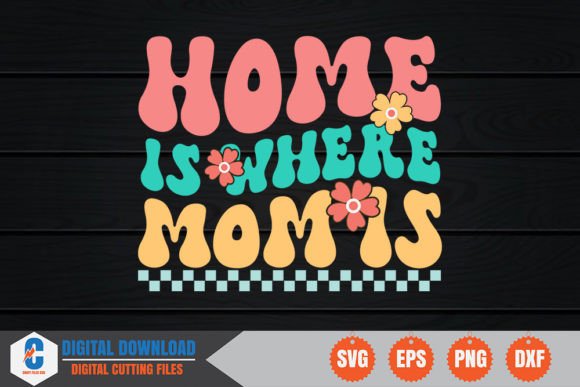
Opening the Home is Where Mom is Retro design files, the first thing you feel is a wave of nostalgia and warmth. It's not just a phrase; it's a visual personality. The retro styling suggests a cozy, handmade quality before you even stitch a single thread. This isn't a stark, modern graphic. It has a friendly, slightly whimsical character that immediately telegraphs comfort and appreciation. For an embroidery designer looking to create gifts or merchandise, that mood is priceless. It tells a story on its own.
The layout and composition feel balanced and purposefully crafted for a central focal point. It naturally belongs on items meant to be cherished, not just worn. My designer instinct sees it perfectly at home on a custom embroidered pillow cover for a Mother's Day gift, or centered on a cozy sweatshirt meant for a heartfelt present. The detail level appears manageable—the lettering and decorative elements look clear without being overly dense, which is a great sign for stitch clarity and a clean finished product.
Where This Design Thrives in Real-World Projects
Let me walk you through a real-life scenario. I'm preparing a custom tote bag for a client's boutique. They want something unique, giftable, and inherently 'handmade' in its presentation. The Home is Where Mom is Retro design is my immediate contender. Its theme elevates a simple tote into a personalized, meaningful carry-all. I envision it embroidered in a rich burgundy or a soft olive green thread. On a natural canvas bag, the retro aesthetic will pop, creating a product that feels both professional and deeply personal.
This design's versatility is its strength. Beyond apparel like t-shirts and sweatshirts, think of practical, touchable items: aprons, kitchen towels, or blanket corners. It would shine as an embroidered patch, allowing for application on various surfaces. For baby items or nursery decor, paired with the right soft fabric and thread colors, it becomes a gentle statement. For small business owners and Etsy sellers, this graphic translates beautifully into holiday gifts, wedding gifts for moms, or core boutique merchandise. It has that universal, emotional resonance that engages buyers.
In commercial embroidery projects, such as a small run of caps for a family event, the design's clear layout should handle the curved surface well if the details are managed properly. Its appeal directly affects perceived product value and customer trust—it looks cared-for and intentional, which is exactly what creative entrepreneurs want their brand to convey.
Handmade Presentation and Professional Finish
A key consideration is how the embroidery file translates into stitching clarity. Satin stitches for the lettering and fill stitches for any decorative elements need to be defined. The design's personality should remain intact after the machine embroidery process. This is where testing is non-negotiable. For a crisp result on a dark fabric like a navy sweatshirt, you'll need to think about thread color contrast and potentially a lighter underlay or stabilizer strategy to ensure every charming detail reads clearly.
Practical Considerations for Successful Stitching
While the mood is spot-on, a professional designer always thinks through the execution. Here are my practical notes for using this machine embroidery design.
First, always test on scrap fabric that matches your final project's texture. Is it a thick, stable cotton for a pillow cover? Or a stretchy knit for a baby onesie? Fabric texture dramatically affects the outcome. Check how the small details, especially in the lettering, hold up. Tiny, intricate areas can become lost or messy if the stitch density is too high for the chosen hoop size.
For smaller items like caps or the corner of a tea towel, ensure your chosen hoop size can accommodate the entire design without compromising its integrity. Curved surfaces require extra attention to stabilizer use to prevent distortion.
Always, always review the provided files. The product description states it contains separate SVG, EPS, DXF, and PNG files, which is excellent for flexibility. For embroidery, you'll be working from the appropriate vector or raster file your software requires. Before any commercial project or selling finished items, confirm the licensing terms for this digital embroidery file. Can it be used for physical products you sell? This is a crucial step for craft businesses and digital product sellers.
Thread color choice is your artistic lever. Don't just default to black. Try the design in a palette that enhances the retro feel—creams, muted golds, or dusty blues. Create black and white mockups to judge form, and compare how it looks on both light and dark fabric backgrounds in your software. This prep work directly impacts the final product's visual appeal and professionalism.
Where to Use This Design with Care
Some applications require a more thoughtful approach. On very thin or slippery fabrics, the design might need a heavier stabilizer to prevent puckering. If you're considering it for a layered garment with seams or textures underneath, placement is key to avoid uneven stitching. Similarly, on items destined for frequent washing, like kitchen towels or baby clothes, a robust stitch construction and quality thread will ensure longevity. The decorative accents should be stitched securely.
For extremely small hoop sizes, the entire design might need to be scaled down. Evaluate whether scaling compromises the readability of the charming retro lettering. Sometimes, a design's spirit is in its details, and you want to preserve that for your handmade product.
Final Thoughts for Makers and Entrepreneurs
The Home is Where Mom is Retro design is more than a graphic; it's a project catalyst. It inspires specific products—a custom embroidered tote bag for a market stall, a sentimental patch for a family reunion cap, a personalized gift apron. Its emotional weight translates directly into customer engagement and giftability.
For embroidery designers and makers, the practical journey from digital file to finished product is where your skill meets the design's potential. By testing stitch density, confirming file compatibility, and choosing the right fabric-thread combination, you elevate this craft graphic into a cherished, professional-looking item. It fits seamlessly into the workflows of apparel decorators, hobbyists crafting heartfelt presents, and entrepreneurs building a brand around meaningful, handmade goods.
Approach it with a confident, observant eye. See it not just as an image on a screen, but as future stitches on a sweatshirt, as the central motif on a holiday gift, as a trusted asset in your craft business library. With the right practical groundwork, this retro design will undoubtedly find its home in countless beautiful, embroidered projects.