A Real-World Review of the Woke Mom Planner Design
When you download an embroidery file, you're not just getting a pattern; you're investing in a potential project, a client's smile, or a product that needs to sell. With that in mind, let’s put the Woke Mom Planner design through a practical lens, the way I do with any design before I commit thread and time to it.
The Immediate Mood: Clever, Conversational, and Modern
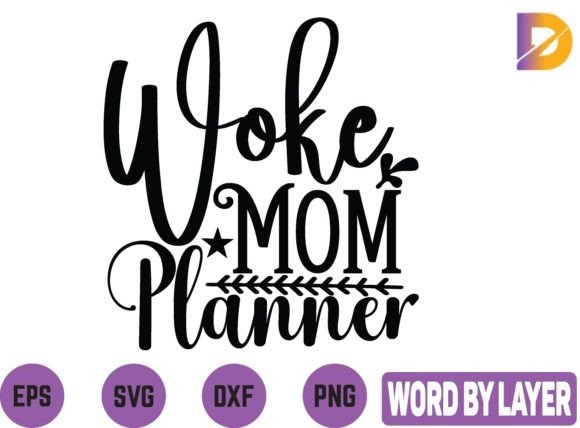
The first impression is key for any embroidery design. This one lands with a contemporary, tongue-in-cheek vibe. The phrase itself is a statement—it’s not just a planner, it’s a woke mom planner. That tells me it’s meant for a specific, modern audience. Visually, the layout suggests a straightforward, bold approach, likely relying on clean lettering. It feels less like a decorative piece and more like a wearable or usable declaration. Its personality is conversational and confident.
This isn’t a design for a delicate heirloom quilt. It naturally belongs on items meant for daily life and modern motherhood: a standout sweatshirt, a canvas tote bag for the library run, a kitchen towel for a mom who appreciates a laugh, or a simple, clean patch on a denim jacket. The theme points directly to personalized gifts and boutique products targeting a certain sensibility.
Where This Design Would Shine in Real Projects
Imagine you’re preparing a custom embroidered tote bag for a client’s birthday. She’s a friend who runs the household, the PTA, and her own small business. This Woke Mom Planner design, stitched boldly on the front, becomes a personalized, affirming gift. It’s not just a bag; it’s a nod to her organized chaos.
For a craft business, this embroidery file has clear commercial appeal. It would work perfectly on:
- Apparel decorators could feature it on relaxed-fit sweatshirts or t-shirts for a casual, statement look.
- Small shop owners might use it on aprons or pillow covers for a niche, humorous home goods line.
- Etsy sellers focusing on personalized gifts could offer it on baby clothes (for the cool mom) or tea towels.
- The design’s straightforward nature makes it excellent for embroidered patches, which are increasingly popular.
In a digital product preview or printable mockup, the clean graphics translate well, suggesting a finished product that looks professional and intentional. This builds customer trust for a handmade product.
Considerations Before You Hoop the Fabric
While the mood is right for many, the practical execution demands forethought. The success of any machine embroidery design hinges on its adaptation to real materials.
Given the description, the design is likely built with graphics suitable for conversion to stitches. Here’s where your experience as an embroidery designer must kick in:
- Small details and lettering: If the design has any intricate corners or tiny script, stitch density becomes critical. A dense fill stitch on small lettering on a cap’s curved surface could become stiff and bulky.
- Fabric choice: On thin or stretchy fabrics like some t-shirts, a dense design might require careful stabilizer choice to prevent puckering. On textured fabrics like a blanket, you need to ensure the stitches sit cleanly for clarity.
- Dark fabric backgrounds: Always test thread color contrast. A design with many fine lines might need a bold, contrasting thread palette on dark fabrics to maintain its visual punch and professionalism.
- Products needing frequent washing: For items like kitchen towels or baby clothes, a robust, secure stitch construction is vital. Review the stitch paths in your software; lots of short running stitches might not hold up as well over time compared to well-planned satin or fill stitches.
Enhancing Value and Engagement with Your Finished Product
How a design stitches out directly affects its perceived value. A clean, crisp rendition of Woke Mom Planner on a high-quality sweatshirt elevates it from a simple phrase to a desirable, boutique-ready product. It speaks to brand consistency if your shop caters to a modern, humorous audience. As a gift, it’s highly relatable and specific, increasing its giftability and recognition.
For commercial embroidery projects, this design can engage buyers looking for something beyond generic phrases. It shows thoughtfulness in product curation for your craft business. However, its appeal is niche. It won’t be for everyone, but for the right customer, it will feel perfectly chosen.
Your Essential Pre-Stitch Checklist
Before running this embroidery file on a client’s item or a batch for your small business merchandise, here’s my standard practice:
- Test on scrap fabric first. Use the same fabric and stabilizer combination as your final project. This reveals any issues with pull, density, or small detail clarity.
- Check it in black and white. View the design simplified in your software. This helps you see the pure structure, away from color, to assess balance and potential weak points.
- Compare light and dark backgrounds. If you plan to offer it on various fabrics, stitch a sample on both a light and dark scrap. This informs your thread color recommendations for customers.
- Confirm the licensing terms. The product description mentions it’s an instant download file. It is crucial to verify the license for your intended use—whether for personal projects or commercial embroidery and selling finished products. Never assume.
- Consider hoop size. Ensure the design’s dimensions fit comfortably within your intended hoop size for the final product, leaving a good margin. A design too large for a small baby item hoop will force compromises.
Ultimately, the Woke Mom Planner design is a graphic with a strong, modern voice. Its value in real embroidery work comes from pairing that voice with the right product and executing the stitchout with practical care. It’s a design that, when applied thoughtfully, can create a genuinely appreciated personalized gift or a standout item in your small shop product line. Approach it not just as a file, but as a component of a finished product that needs to look and feel professionally made.